Big Emotions
Every Emotion Has a Purpose
Children and teenagers experience emotions just as intensely as adults.
The difference is that they often don't yet have the words, experience or coping skills to understand what they are feeling.
What can look like anger, tears, frustration or withdrawal is often a child trying to communicate something they don't yet know how to explain.
At Paint the Moon, we believe that emotions aren't problems to be fixed.
They are messages to be understood.
.
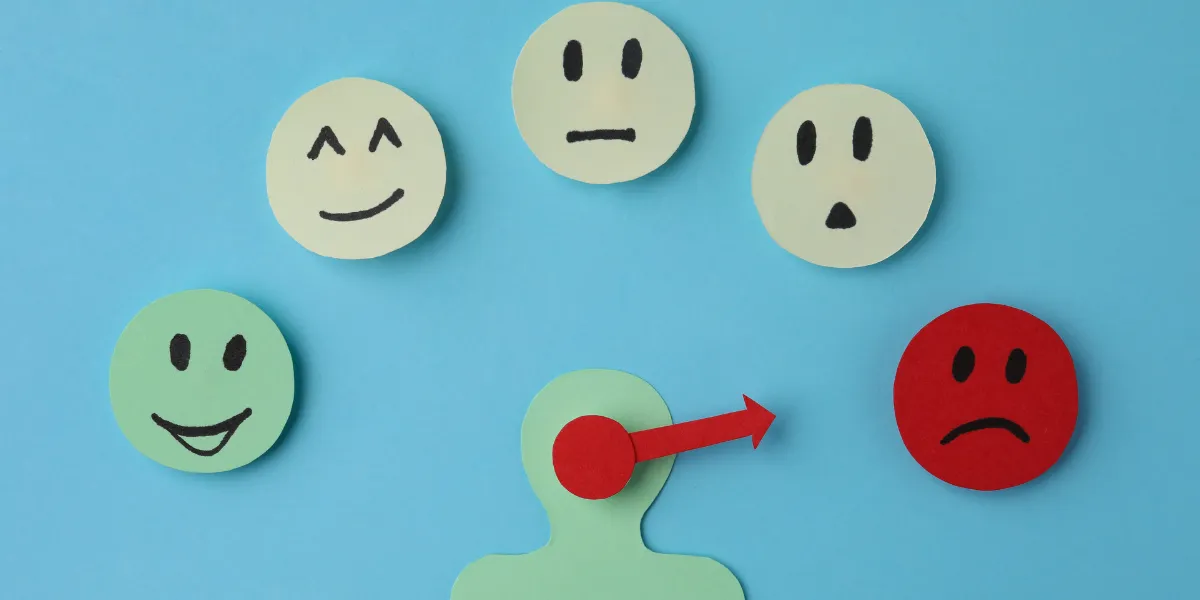
Why Does My Child Have Such Big Emotions?
Many parents ask:
• Why is my child so emotional?
• Why does my child get upset over small things?
• Why does my child become overwhelmed so easily?
Children can experience emotions intensely for many reasons, including:
• Feeling tired or overwhelmed
• Worrying about school or friendships
• Changes in routine
• Sensory overload
• Low confidence
• Difficulty expressing feelings
• Feeling misunderstood
Big emotions are often a sign that a child needs support, understanding and reassurance rather than punishment.
Looking Beyond the Outburst
When a child shouts, cries, slams doors or refuses to cooperate, it's easy to focus on the behaviour.
But behaviour is often the visible part of a much bigger emotional experience.
Underneath the outburst may be:
• Fear
• Anxiety
• Frustration
• Embarrassment
• Sadness
• Disappointment
• Feeling out of control
When we look beneath the behaviour, we can begin to understand what our child is really trying to tell us.
Helping Children Understand Their Feelings
One of the most powerful things we can do is help children recognise and name their emotions.
Instead of simply saying:
"Calm down."
Try:
"You look frustrated."
"I wonder if you're feeling worried."
"That must have felt disappointing."
Giving emotions a name helps children understand what they are experiencing and teaches them that all feelings are valid.
Emotional Regulation Takes Practice
Children are not born knowing how to manage big emotions.
Emotional regulation is a skill that develops throughout childhood and the teenage years.
Just like learning to ride a bike, children need guidance, practice and encouragement.
Helpful strategies can include:
• Taking slow breaths
• Having a quiet space to calm down
• Talking about feelings
• Drawing or journaling emotions
• Physical movement
• Using calming tools and activities
The goal is not to stop children having emotions.
The goal is to help them learn healthy ways to express and manage them.

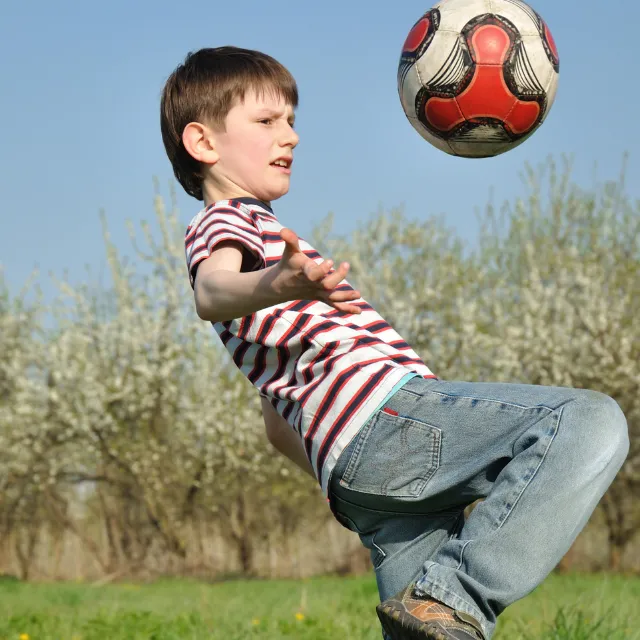
Every Emotion Is Welcome
Children don't need to be happy all the time.
They need to know that all emotions are safe to feel.
When children feel understood rather than judged, they develop confidence, resilience and emotional awareness that will support them throughout life.
Big emotions aren't a sign that something is wrong.
They are an opportunity to help children understand themselves a little better.
Look Beneath Behaviour
Big emotions are often just one piece of the puzzle.
Visit our Understanding Your Child page to learn more about what's happening beneath the behaviour and how to support your child with confidence.
Stay Connected
Join the Paint the Moon community for practical tips, family activities and new resources.
Join the Paint the Moon community for practical tips, family activities and supportive resources. We’ll occasionally send updates by email and you can unsubscribe at any time.
Further Reading
Looking for more ideas and support? Explore our latest articles on this topic below.
When the Brain Goes Into Overwhelm
Why do some children seem to overreact to small situations? Learn how a busy brain can switch into fight or flight, why overwhelm happens so quickly, and simple ways to help calm the nervous system. ...more
Big Emotions
June 25, 2026•4 min read
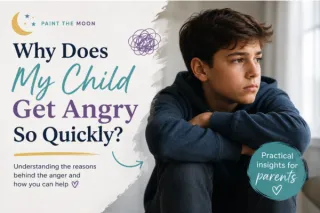
Why Does My Child Get Angry So Quickly?
Discover why children can seem to go from calm to angry in seconds. Learn what may be happening beneath the surface and how understanding the hidden emotions behind anger can help parents respond more... ...more
Understanding Your Child ,Big Emotions
June 24, 2026•3 min read
