Sensory Regulation
Sensory Regulation
The Need to Move, Fidget and Self-Regulate
Some children seem unable to sit still.
They may:
• Tap their fingers.
• Swing on a chair.
• Play with their sleeves.
• Twirl their hair.
• Fidget with anything within reach.
• Hum quietly.
• Constantly move their feet.
• Find reasons to get up.
This can feel frustrating, especially at home, in school or during family meals.
From the outside, it can look like:
• They're distracted.
• They're not paying attention.
• They just won't keep still.
But often, this behaviour has a purpose.
What's Happening Underneath
Some busy brains regulate themselves through movement.
Movement, touch and sensory input can help the brain:
• Stay alert.
• Release nervous energy.
• Process information.
• Reduce feelings of overwhelm.
Without that input, the brain can begin to feel:
Restless.
Uncomfortable.
Unable to settle.
Almost as though something isn't quite right.
Why It Can Look Like "Messing About"
From the outside, it may seem like your child is deliberately distracting everyone.
But from their point of view, it often feels more like:
"I need to move."
"Something doesn't feel right."
"I can't settle."
They're not usually trying to annoy anyone.
They're trying to help their nervous system feel more comfortable.
The Little Habits You Might Notice
Many parents notice little habits that seem to come and go.
Perhaps your child:
• Hums.
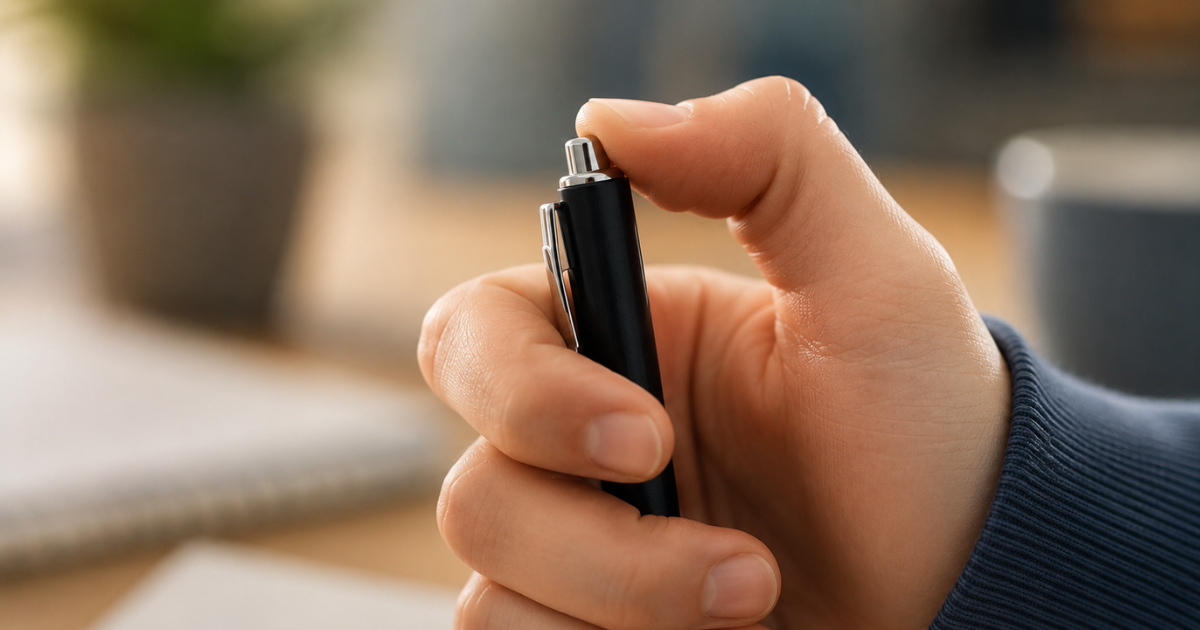
• Clicks a pen.
• Taps a foot.
• Plays with their hair.
• Rubs their hands together.
• Chews hoodie strings.
• Constantly fiddles with objects.
These small behaviours can sometimes help the brain regulate itself.
Rather than drawing attention to every habit, it can be helpful to step back and ask:
"Are they trying to tell me their brain needs something?"
What Helps Instead
The goal isn't to stop movement.
The goal is to help your child regulate in a way that works for everyone.
Tip 1: Give Their Hands A Job
Busy hands often help busy brains.
Try:
• A stress ball.
• Blu Tack.
• A small fidget toy.
• A smooth pebble.
Sometimes giving the hands something purposeful reduces the need to find something else.
Tip 2: Build Movement Into The Day
Children often regulate better when movement isn't something they have to earn.
Short movement breaks can make a huge difference.
Even two minutes of stretching, walking or kicking a ball can help reset the nervous system.
Tip 3: Notice The Pattern
Rather than focusing on the behaviour itself, look for when it happens.
Is it during homework?
Long conversations?
Busy environments?
When they're tired?
Understanding the trigger is often more useful than trying to stop the behaviour.
Tip 4: Offer Alternatives Rather Than Corrections
Instead of saying:
"Stop fidgeting."
Try:
"Would it help to hold something while we're talking?"
That small change keeps the focus on helping rather than correcting.
Tip 5: Pick Your Battles
Not every habit needs to be corrected.
If a behaviour isn't harming anyone or causing distress, ask yourself:
"Is this helping my child regulate right now?"
Sometimes the kindest response is simply to let it be.
Bringing It All Together
Children with busy brains often regulate themselves through movement, touch and sensory input.
What looks like fidgeting or restlessness is often the brain trying to find balance.
When we stop seeing these behaviours as "bad habits" and start seeing them as attempts to self-regulate, our response naturally becomes calmer.
Because sometimes the question isn't:
"How do I stop this behaviour?"
It's:
"What does my child's nervous system need right now?"
Enjoyed This Article?
Paint The Moon was created to help parents understand children and teenagers with busy, intense and wonderfully different brains.
Join our newsletter for practical articles, tools, downloads and gentle support designed to help you make sense of behaviour, reduce overwhelm and better understand what may be happening beneath the surface.
Whether you're navigating big emotions, busy minds, fixations, overwhelm or the ups and downs of parenting, you're not alone.
💛 Join the Paint The Moon community below.


